Quarantine Zone Hits 500K Sales: A Fresh Zombie Survival Story
 Chris Evans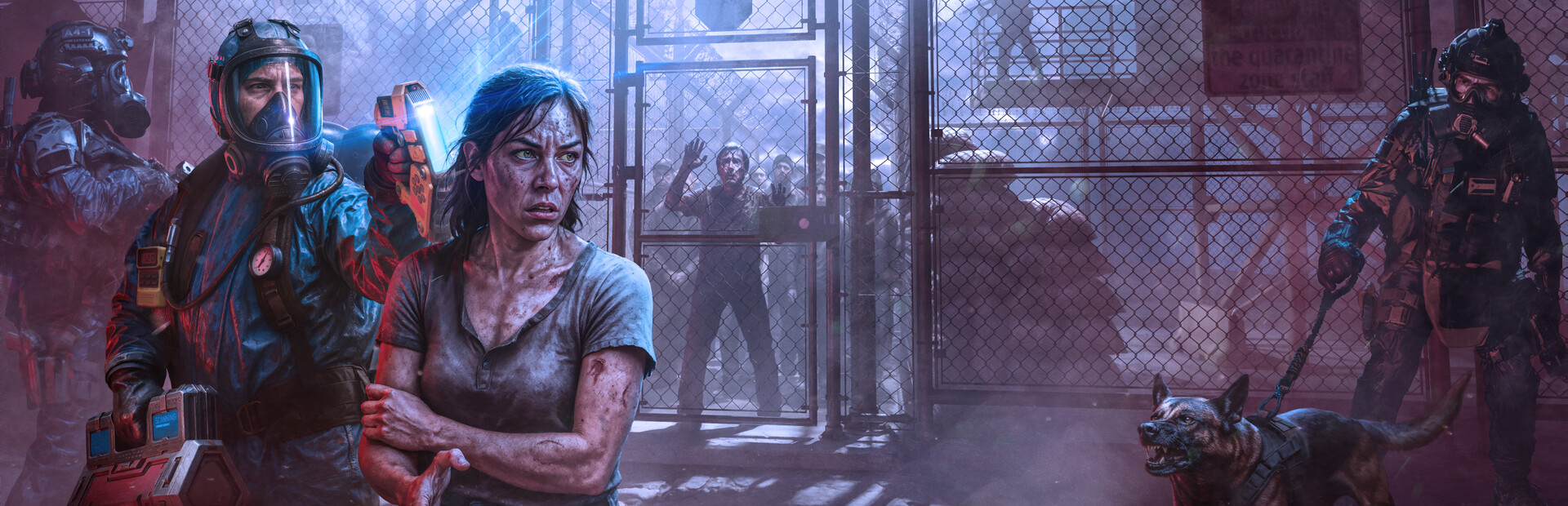
The zombie apocalypse had arrived once again in gaming, but this time, something felt different. Within just seven days of its release, Quarantine Zone: The Last Check had found its way into the hands of half a million players worldwide. The numbers spoke volumes—this wasn't just another entry in an oversaturated genre. This was something players had been craving without quite knowing it.
A Different Kind of Survival
Brigada Games and publisher Devolver Digital watched as their creation defied expectations. From the moment the game was announced, curiosity rippled through the gaming community. The concept alone was enough to turn heads: instead of running through hordes with weapons blazing, players would stand at the gates of civilization itself, making impossible choices about who lived and who died.
The game positioned players as checkpoint operators during a catastrophic zombie outbreak. Armed with screening tools and nothing but their judgment, they became the last line of defense between the infected and the uninfected. Every survivor approaching the gates carried a story, and potentially, a death sentence for everyone inside. The pressure was real, the stakes were high, and honestly? Players couldn't get enough of it.
The Mechanics of Moral Dilemma
What set Quarantine Zone: The Last Check apart was its intricate gameplay loop. Players weren't just shooting zombies—they were studying them, managing resources, and wrestling with ethical nightmares. The advanced screening tools provided data, but data alone couldn't capture the desperation in a survivor's eyes or the tremor in their voice.
The base management system added another layer of complexity. As the infection spread, players had to:
-
Expand defensive perimeters while resources dwindled
-
Deploy surveillance drones to monitor potential breaches
-
Establish quarantine zones for suspected cases
-
Research infected subjects to unlock technological upgrades
-
Balance efficiency against humanity as conditions deteriorated
Each decision created ripples. Turning away a potentially infected survivor might save the camp, but what if they were clean? Accepting everyone meant risking an outbreak from within. The game forced players to become judges, scientists, and soldiers simultaneously, and the weight of those roles was palpable in every playthrough.
Unexpected Crossovers and Quick Updates
Just four days after launch, the developers surprised everyone with a Dead by Daylight crossover. Dwight Fairfield, Meg Thomas, Claudette Morel, and Jake Park—survivors from another horror universe—began appearing at the checkpoint gates. The crossover felt natural, almost like these characters had been running from one nightmare straight into another.
There was a catch, though. Players who had been grinding since day one discovered their saved progress wouldn't recognize the new content. Starting fresh was the only option, at least temporarily. The development team acknowledged the frustration and promised a fix that would allow future updates to integrate seamlessly with existing saves. It was a stumble, sure, but one they were actively working to correct.
The Early Access Feel
Not everything was smooth sailing in the quarantine zone. As the player base grew, so did reports of technical issues. Bugs crawled through the experience like the infected through broken fences. Some players felt the game had launched prematurely, suggesting it could have benefited from additional development time—maybe two or three more months in the oven.
The comparison to Early Access titles became common in community discussions:
| Common Issues | Player Impact |
|---|---|
| Save file corruption | Progress loss and frustration |
| Performance drops | Immersion breaking |
| UI glitches | Decision-making complications |
| Pathfinding errors | Gameplay disruption |
To their credit, Brigada Games didn't hide from the criticism. They acknowledged the feedback publicly and committed to aggressive post-launch support. The team was actively patching, updating, and improving the experience based on player reports. It wasn't ideal, but it showed they were listening.
The Price of Entry
For those considering joining the checkpoint crew, the game remained accessible across multiple platforms. PC players could grab it directly, while Xbox Game Pass Ultimate and PC tier subscribers found it waiting in their libraries at no additional cost. Steam was still running a 10% launch discount through January 26th, 2026, making it an opportune moment for fence-sitters to jump in.
Price-conscious gamers had additional options through comparison tools that tracked the lowest available prices across authorized retailers. Some merchants even offered exclusive discount codes, stacking savings for those willing to shop around. The key was finding legitimate sellers—nobody wanted to risk their account on a sketchy key.
What Makes It Work
The success of Quarantine Zone: The Last Check revealed something important about the zombie genre: players were hungry for innovation. After years of similar experiences, the market was ready for something that challenged conventions. The game's premise—standing still instead of running, judging instead of shooting, managing instead of surviving—flipped expectations in ways that felt fresh.
The moral complexity added depth that many zombie games lacked. There were no clear right answers, only consequences. Study an infected survivor to unlock better screening tools, but at what cost to their humanity? Expand the base to accommodate more survivors, but risk spreading resources too thin? These weren't just gameplay mechanics; they were philosophical questions dressed in survival horror clothing.
Looking Forward
The foundation Brigada Games built left room for substantial expansion. The core gameplay loop was solid enough to support additional content, new scenarios, and deeper systems. Players were already speculating about potential updates:
-
🔬 Advanced research trees for infection study
-
🏗️ More complex base-building options
-
👥 Multiplayer checkpoint cooperation modes
-
📊 Enhanced survivor backstory systems
-
🌍 Different geographical outbreak scenarios
The rapid crossover with Dead by Daylight suggested the developers were thinking creatively about content partnerships. What other horror universes might send their survivors to the checkpoint? The possibilities seemed endless, and the community was here for all of it.
The Verdict from the Gates
Half a million copies in a week told a story of its own. Despite the technical hiccups and the rough edges, players were connecting with Quarantine Zone: The Last Check in meaningful ways. The game had tapped into something—a desire for zombie experiences that engaged the mind as much as the reflexes, that asked difficult questions instead of just providing targets.
The bugs would get fixed. The systems would get refined. The content would expand. But the core concept, that brilliant inversion of zombie survival expectations, was already proving its worth. Players weren't just surviving the apocalypse; they were deciding who else got to survive it, and that responsibility weighed heavy on every decision.
As the infection spread across the game world and the player count continued to climb, one thing became clear: the checkpoint wasn't just a location in the game. It was a new benchmark for what zombie survival games could be when they dared to try something different. And judging by the numbers, the gaming world was ready to stand at those gates and face whatever came through them.
